

The Basics You Might Be Getting Wrong
When I first started air frying, I thought it was foolproof — toss in food, hit start, and wait for perfection. But my first few batches of fries came out pale and soggy. Sound familiar? That’s because even the best home cooks make simple air fryer mistakes when they start. Once I learned how to fix them, everything from chicken wings to sweet potato fries came out crisp, golden, and irresistible.
Overcrowding the Basket
This is hands down one of the most common air fryer mistakes. When you pack the basket too full, hot air can’t circulate properly — meaning your food steams instead of crisps. The fix? Cook in smaller batches. Leave space between pieces so air can move freely. For fries, shake the basket halfway through; for chicken, flip it once mid-cook for even browning.
Think of your air fryer like a mini convection oven — the more room you give your food, the better it performs. Crowding may save time, but it sacrifices texture and flavor.
Skipping Preheating
Another beginner error is skipping preheating. Preheating allows the air fryer to reach cooking temperature before food goes in, so it starts crisping immediately. If you skip it, your food will cook unevenly and lose that perfect crunch.
Most models only need 3 minutes to preheat — a small step that makes a huge difference. Treat it like preheating your oven: it’s part of the process, not an extra task.
Oil, Coatings, and Flavor Fixes
You’ve probably heard that air fryers “don’t need oil,” but that’s one of the biggest air fryer mistakes out there. Sure, they use less oil than deep-frying, but skipping it entirely can make your food dry and pale. The key is balance — just enough oil to help with browning, not so much that it turns soggy.
Using Too Much or Too Little Oil
The sweet spot is usually about 1 teaspoon per pound of food. Use a high smoke-point oil like avocado, canola, or grapeseed for best results. Aerosol sprays, however, can damage your air fryer’s nonstick coating. Instead, use a refillable spritzer bottle to mist your food lightly.
Here’s a quick reference for the best oils to use in your air fryer:
| Oil Type | Smoke Point | Best Use |
|---|---|---|
| Avocado Oil | 520°F | High-heat cooking and meats |
| Canola Oil | 400°F | Everyday fries and veggies |
| Olive Oil (Light) | 465°F | Roasted vegetables and breading |
Another rookie error: using wet batter. Traditional batters (like for fried chicken) don’t work well in an air fryer — the fan blows the coating off before it sets. The fix? Use dry coatings like breadcrumbs, panko, or crushed cornflakes.
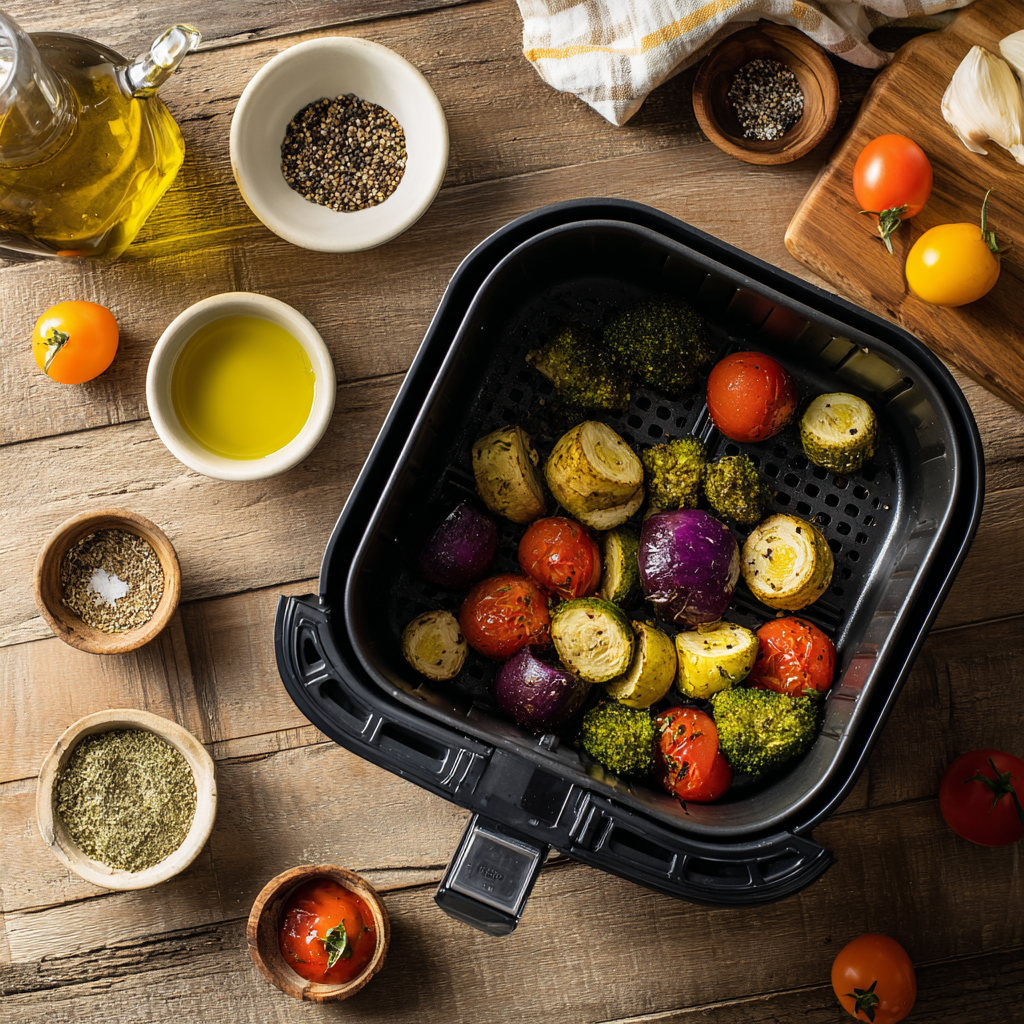
And don’t forget to season before cooking. Salt and spices help food crisp and flavor evenly. Without it, your air fryer food will taste flat.
Equipment & Maintenance Mistakes
Even if your cooking game is strong, how you handle your air fryer matters just as much as what you put in it. Neglecting regular care or using the wrong accessories can cause uneven cooking, smoke, or even damage to your air fryer. Let’s tackle two of the most common air fryer mistakes home cooks make with equipment and maintenance — and how to fix them.
Not Cleaning Regularly
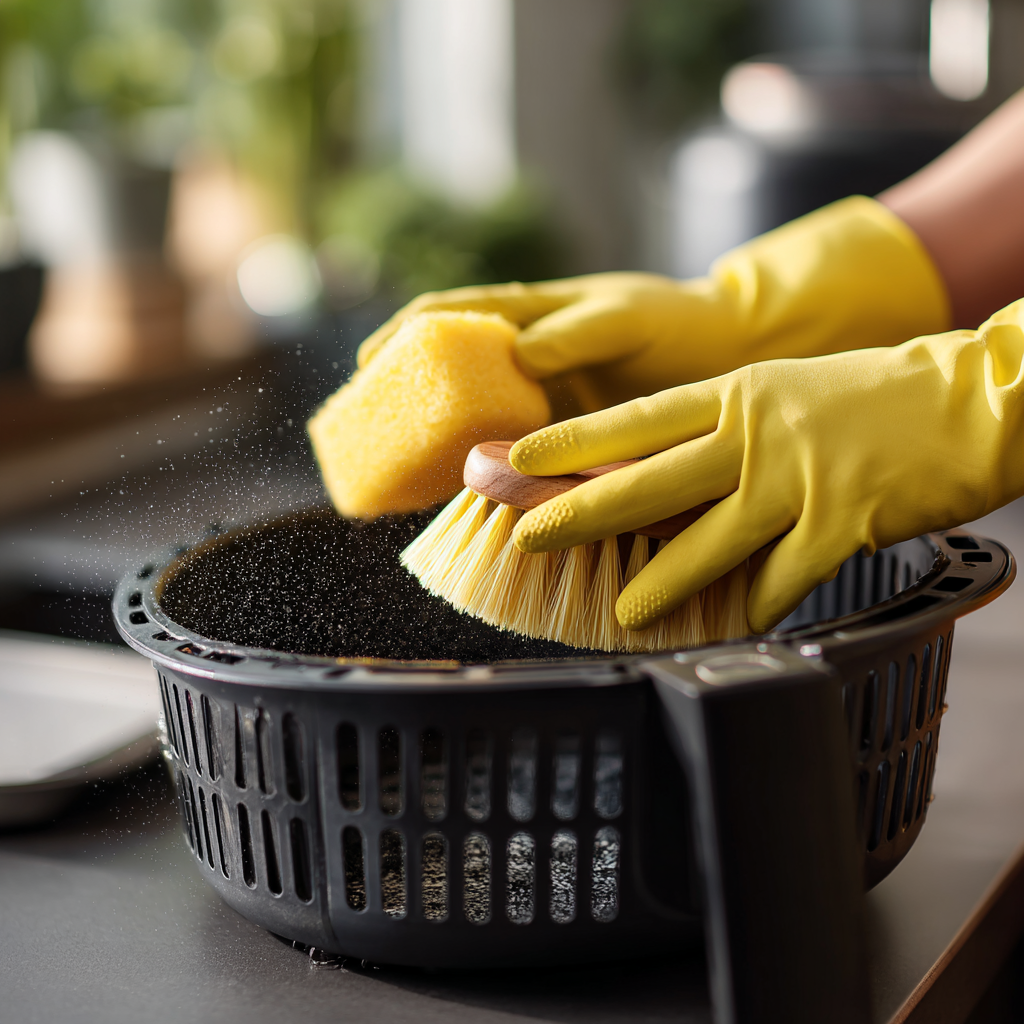
It’s tempting to “clean later” after a quick fry session, but leftover crumbs and grease quickly turn into burnt residue. Over time, that buildup can cause smoke, bad smells, and even affect taste.
To fix it:
- Wipe down the basket and tray after every use.
- Wash removable parts with warm, soapy water weekly.
- Avoid abrasive sponges — use soft brushes to protect the nonstick coating.
A clean air fryer not only lasts longer but keeps every dish tasting fresh and crisp.
Using Foil or Parchment Incorrectly
Using liners makes cleanup easier — but they must be used safely. Many beginners make the mistake of preheating the air fryer with empty parchment or foil, which can blow into the heating element and melt or burn.
Here’s a quick safety guide:
| Liner Type | Safe to Use? | Tips |
|---|---|---|
| Parchment Paper (Perforated) | ✅ Yes | Only with food on top; cut to fit basket. |
| Foil | ⚠️ Use Carefully | Avoid covering entire basket; never preheat empty. |
| Wax Paper | ❌ No | Melts easily; not heat-safe. |
Cooking Confidence & Expert Fixes
Even after you’ve cleaned, preheated, and spaced your food, mastering the timing and temperature is what transforms your cooking from “good” to “expert-level.” Many new users think the air fryer’s presets do all the work — but the truth is, every model behaves differently. Understanding your machine and adjusting as you go will help you get consistent, restaurant-quality results every time.
Ignoring Temperature & Time Adjustments
This might be the sneakiest air fryer mistake of all. Air fryers cook faster than traditional ovens because they use high-speed convection heat. If you use oven settings without adjusting, food can overbrown on the outside while staying raw inside.
Follow the 20-20 rule: cook 20°F lower and 20% shorter than oven recipes suggest, then check for doneness. Once you learn how your specific model behaves, you’ll never second-guess again.
Forgetting to Flip or Check for Doneness
The air fryer’s magic lies in air circulation — but that doesn’t mean it replaces a good flip or shake. Flipping halfway through ensures both sides cook evenly and crisp up beautifully. For proteins, use a digital thermometer to check internal temps:
- Chicken: 165°F
- Fish: 145°F
- Beef: 135°F (medium rare)
Checking temps not only prevents overcooking but ensures safety and consistent flavor.
Ready to level up? Test your skills with Air Fryer Banana Bread for baking precision or gooey Air Fryer Brownies for sweet, crispy edges.
FAQ Section
Q1: Why is my food not crispy in the air fryer?
Overcrowding and skipping preheating are the main culprits — space food evenly and preheat for 3 minutes.
Q2: Can you put foil in the air fryer?
Yes, but only with food weighing it down. Never preheat with empty foil.
Q3: Why does my air fryer smoke?
Excess grease or crumbs. Clean after each use to prevent buildup.
Q4: Should I use oil in the air fryer?
Yes, but only a light mist. Too much oil causes sogginess instead of crispness.
Conclusion
Every beginner makes these air fryer mistakes — I did, too! But once you learn the right temperatures, use the right oils, and give your food space to breathe, your air fryer becomes unstoppable. From golden fries to juicy chicken, the results are worth it.
The best part? Every “mistake” is just another step toward mastering this tool. So grab your basket, make a few tweaks, and get ready to fry smarter, not harder. Your next batch will be your crispiest yet.
Print10 Air Fryer Mistakes You’re Probably Making (and How to Fix Them)
Avoid these 10 common air fryer mistakes for perfect, crispy, and golden results every time.
- Prep Time: —
- Cook Time: —
- Total Time: —
- Yield: 1 guide
- Category: Air Fryer Basics
- Method: Air Fryer
- Cuisine: American
Ingredients
Overcrowding the basket
Skipping preheating
Using too much oil
Cooking wet batters
Not cleaning regularly
Incorrect use of foil or parchment
Ignoring temperature adjustments
Not flipping halfway
Using the wrong oil
Cooking without seasoning
Instructions
1. Preheat your air fryer for 3 minutes before cooking.
2. Avoid overcrowding — cook in small batches.
3. Lightly coat food with oil using a spritzer.
4. Use dry coatings like panko instead of wet batter.
5. Clean your basket and tray after each use.
6. Avoid preheating empty foil or parchment liners.
7. Cook 20°F lower and 20% shorter than oven times.
8. Flip or shake food halfway through.
9. Use high smoke-point oils like avocado oil.
10. Always season before air frying for better flavor.
Notes
Always preheat your air fryer for consistent results.
Keep a log of your ideal cooking times.
Clean regularly to prevent smoke and odors.
Use parchment paper safely with food on top.